
Investment Casting
Producing Complex, High-Precision Metal Parts with Confidence
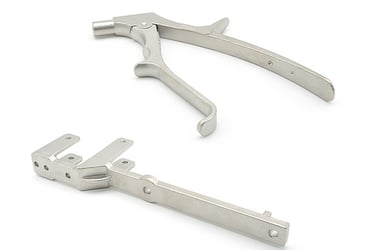
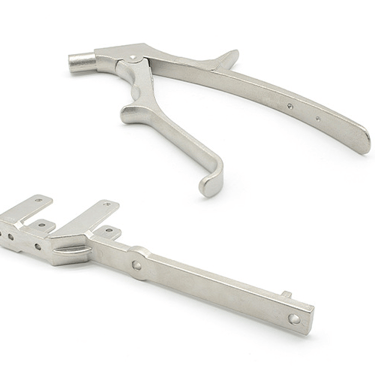
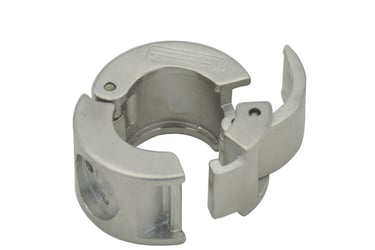
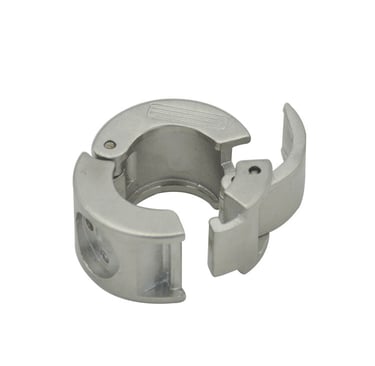
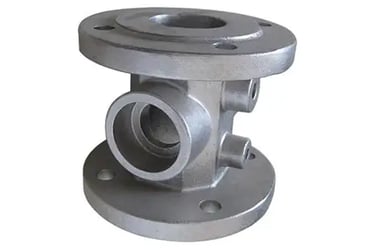
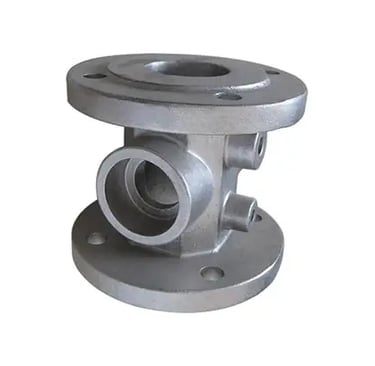
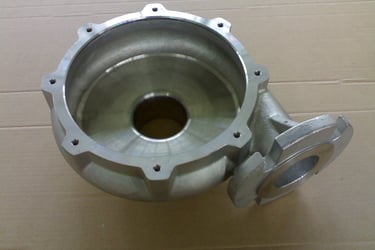
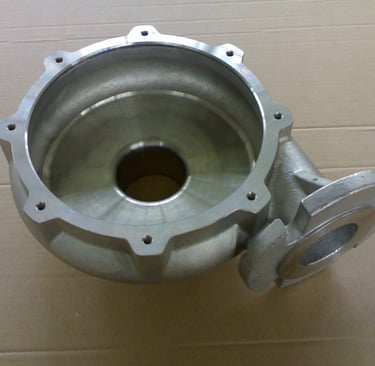
In industries such as aerospace, medical devices, and high-end industrial equipment, many components require complex geometries, tight tolerances, and excellent surface quality.
For these requirements, investment casting is often the most practical manufacturing solution.
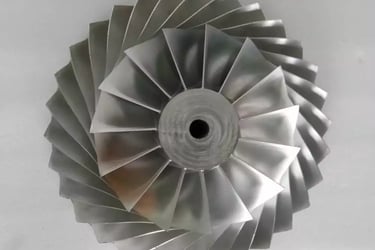
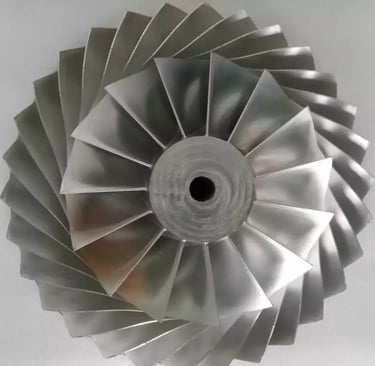
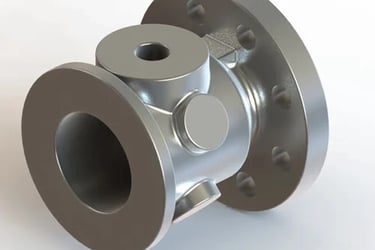
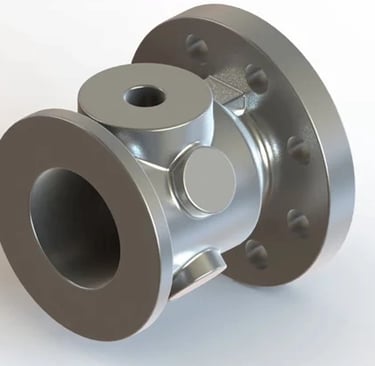
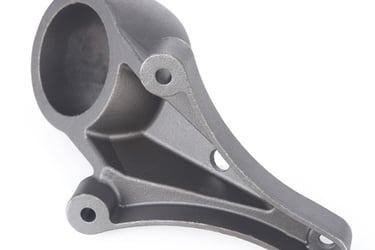
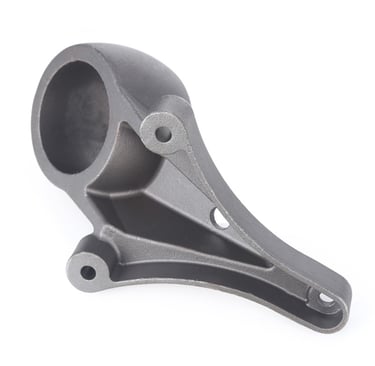
This process enables near-net-shape production of thin-walled, highly complex parts that would be difficult or uneconomical to machine or sand cast.
How Investment Casting Works
Investment casting produces metal parts by forming a precision ceramic mold around a sacrificial pattern, which is removed before casting.
Typical process steps:
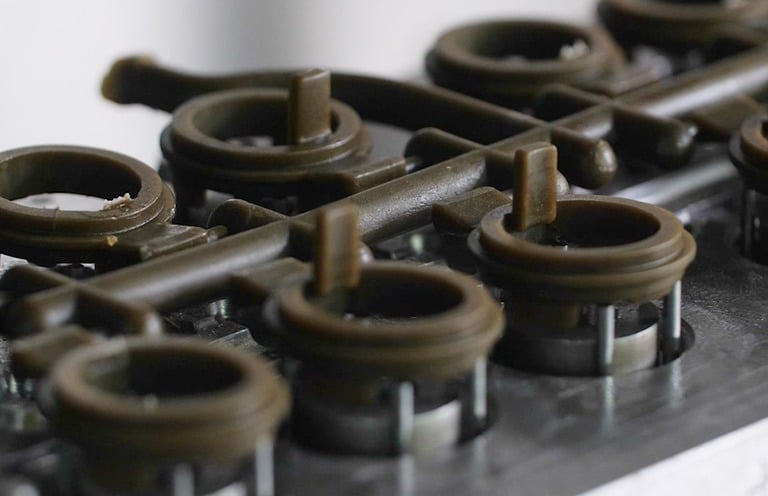
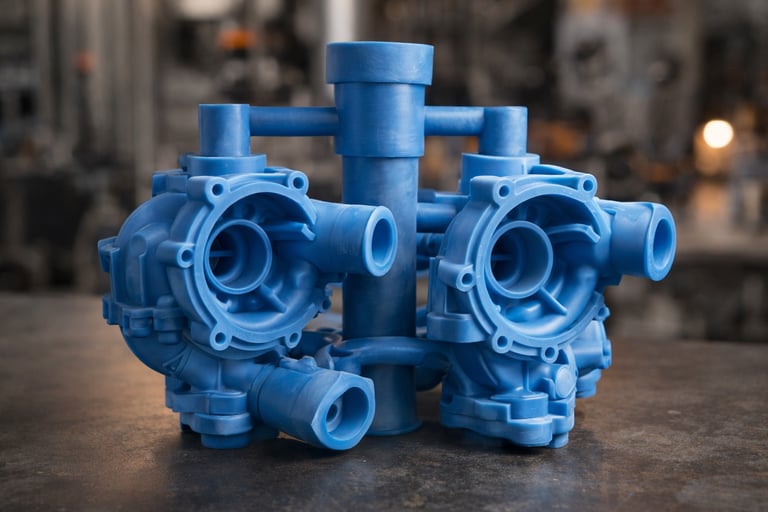
Wax pattern injection
Wax is injected into a metal die to create an accurate replica of the final part.
Assembly (treeing) Multiple wax patterns are attached to a central runner to form a casting tree.
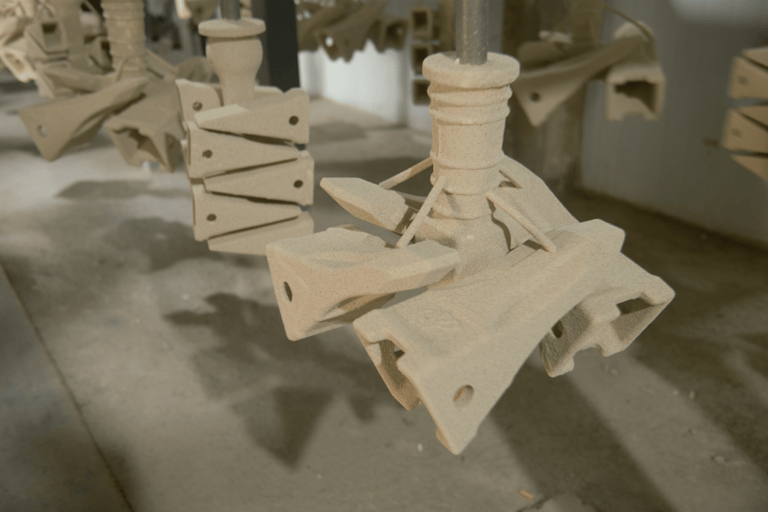
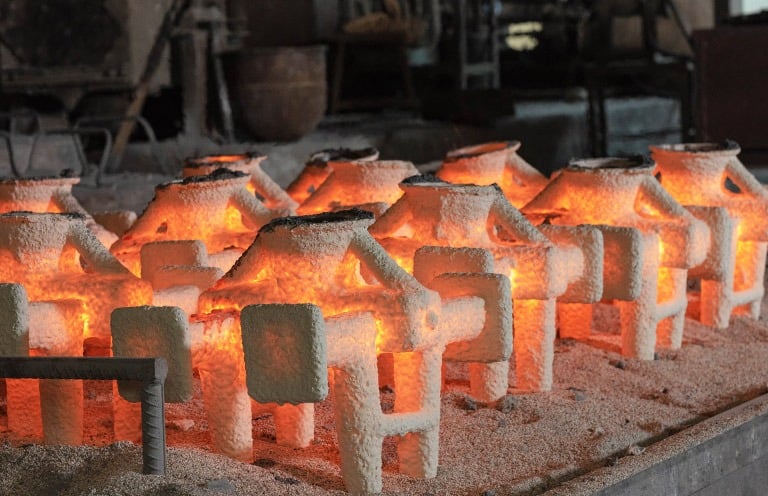
Shell building The assembly is repeatedly dipped into ceramic slurry and coated with refractory sand to build a multi-layer ceramic shell.
Firing The ceramic shell is fired at high temperature to increase strength and remove residues.
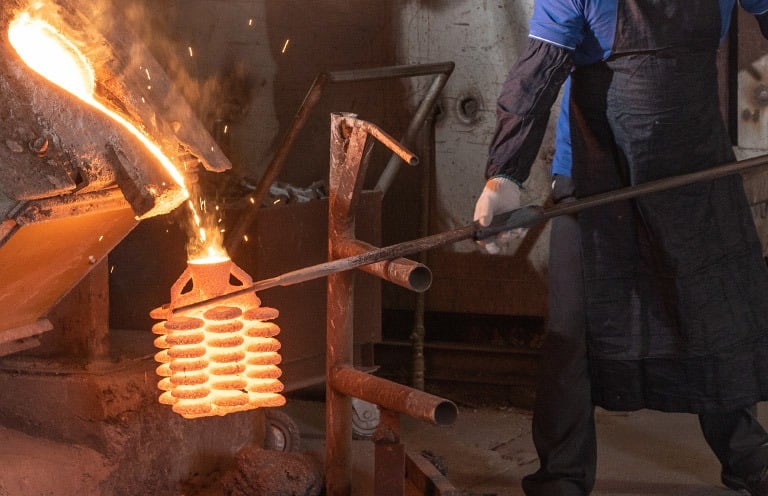
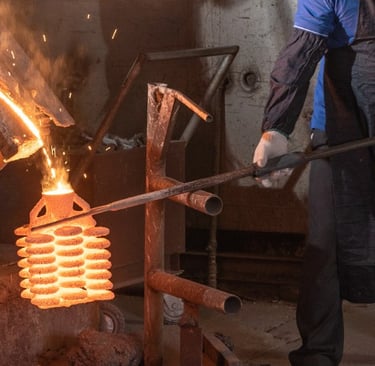
Pouring and finishing Molten metal is poured into the shell. After solidification, the shell is removed and parts are separated.
Key advantage:
No parting lines, no draft angles, and minimal geometric constraints.
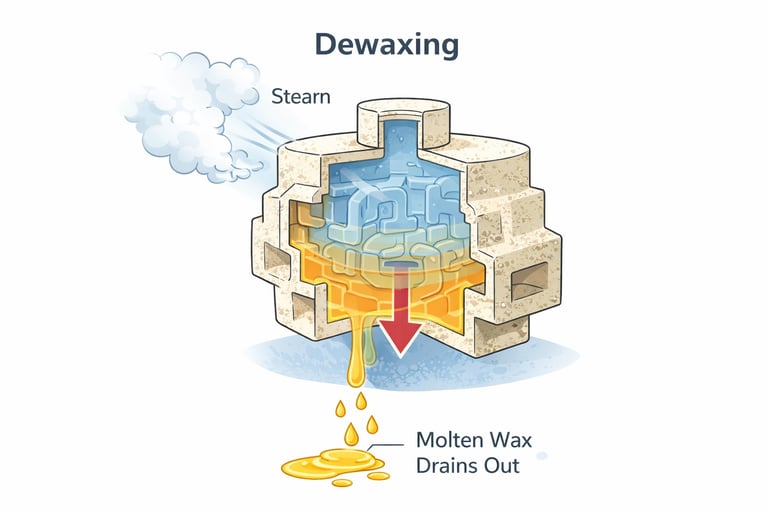
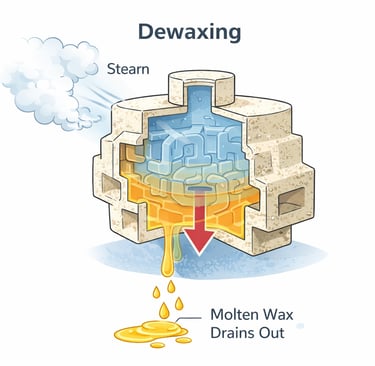
Pattern removal The wax is removed using steam or heat, leaving a hollow ceramic mold.
Investment Casting vs. Sand Casting
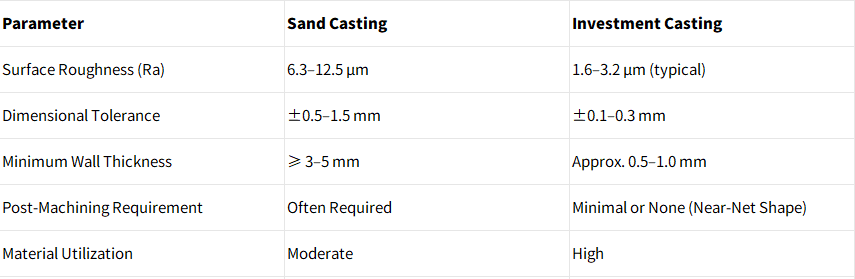
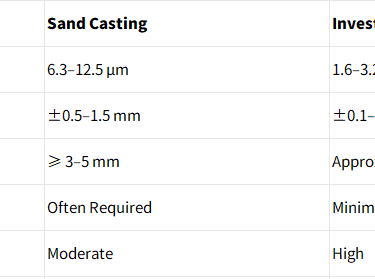
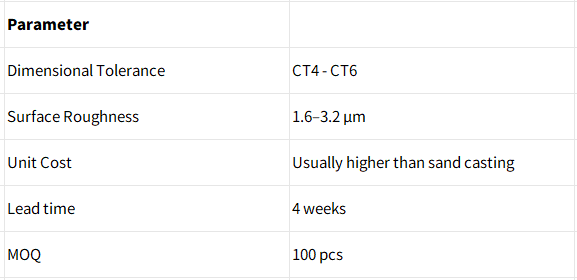
Investment casting trades higher process cost for precision, complexity, and reduced machining.
Available Materials and Applications
·Stainless steels (304, 316, 17-4PH)
·Carbon and low-alloy steels
·Titanium alloys (e.g. Ti-6Al-4V)
·Aluminum and copper alloys
Typical applications:


Aerospace


Medical
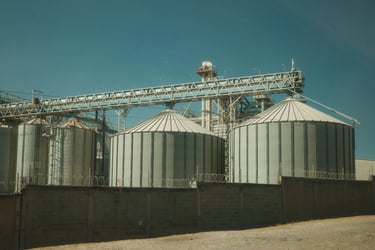
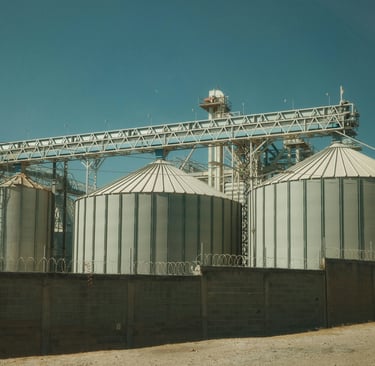
Energy
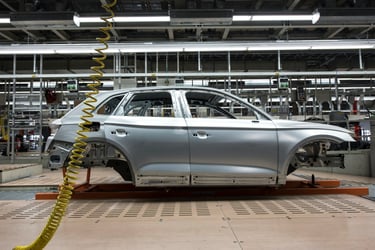
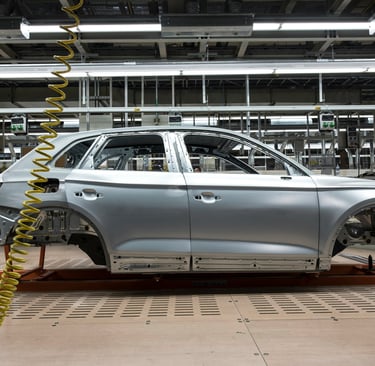
Automotive
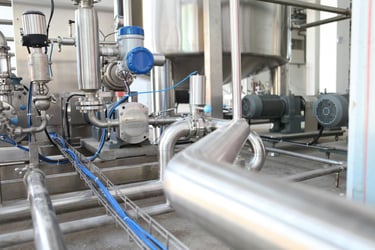
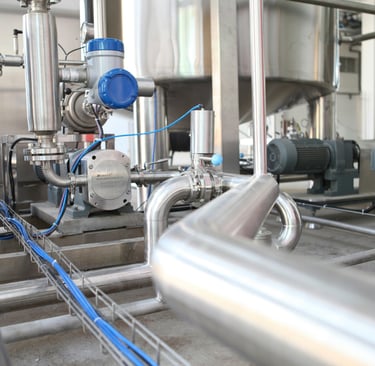
Industrial
Accuracy, Cost, and Lead Time

投资铸造让我们的零件精度和表面质量大幅提升,效果显著。
李工


通过投资铸造,我们节省了大量后期加工时间,效率提升明显。
王总

